Optimizing IP Materials for Circular Economy Compliance: A Complete Guide
Introduction: Why Circular Economy Matters Today 🌍
Industries across the globe are facing increasing pressure to move away from traditional "take-make-dispose" models. Rising environmental concerns, stricter regulations, and growing consumer awareness are pushing companies to rethink how materials are designed, used, and reused.
At the center of this transformation lies a critical challenge: how to optimize IP (Intellectual Property) materials for circular economy compliance. These materials—often patented and highly specialized—are essential for innovation, yet they must now align with sustainability goals.
Companies that successfully bridge this gap are not only reducing environmental impact but also unlocking new business value.
What is Circular Economy?
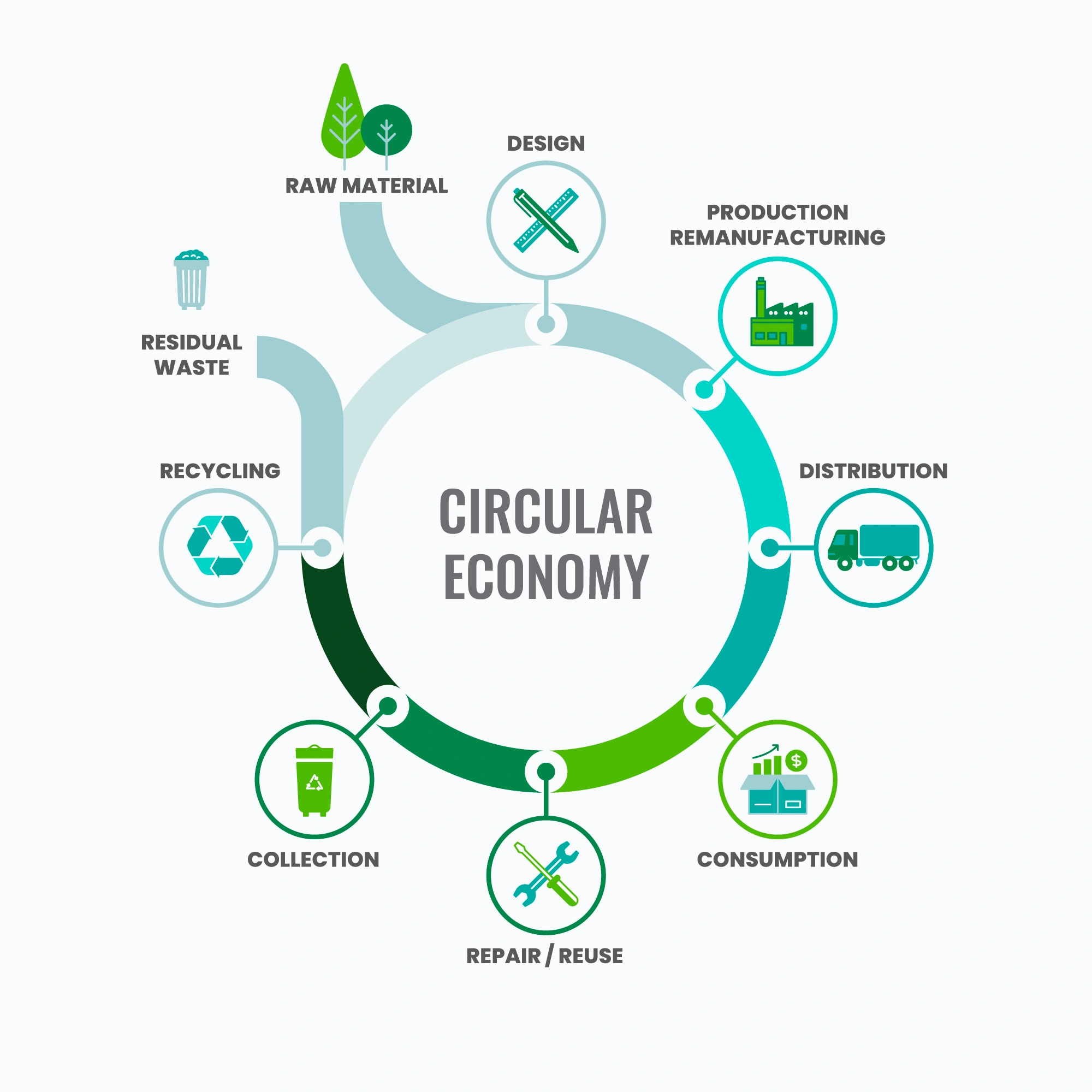
The circular economy is a sustainable model focused on minimizing waste and maximizing resource efficiency.
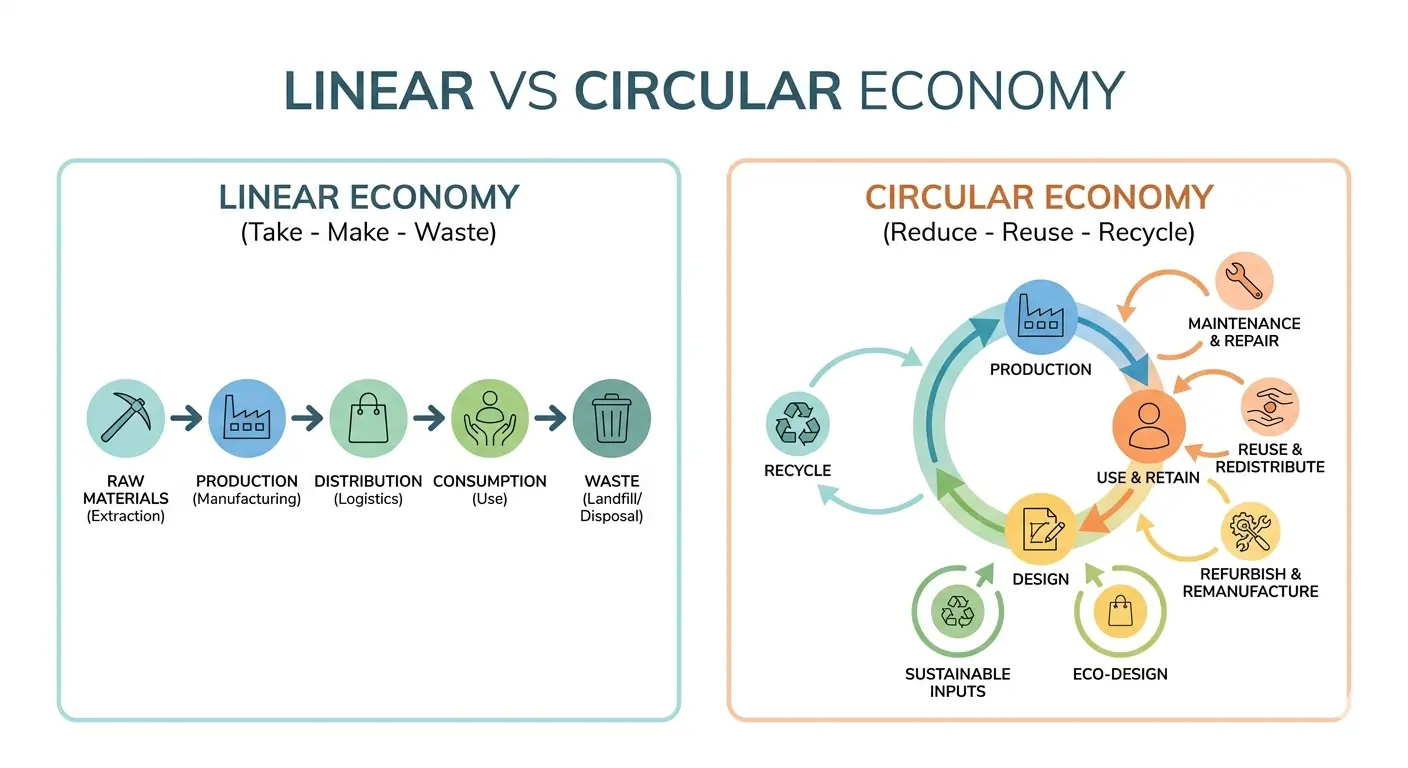
Linear vs Circular Model
Linear Economy: Take → Make → Dispose
Circular Economy: Reduce → Reuse → Recycle → Recover
Key Benefits
Lower production costs
Reduced environmental impact
Improved regulatory compliance
Long-term resource sustainability
Role of IP Materials in Modern Industries
IP materials include patented polymers, composites, and specialty materials designed for high performance. These materials play a crucial role in industries such as:
Key Industry Applications:
Automotive – lightweight composites for fuel efficiency
Electronics – advanced materials for durability and miniaturization
Packaging – innovative materials for product protection
These materials are often proprietary, making them valuable—but also challenging to recycle or reuse.
Challenges in Circular Compliance
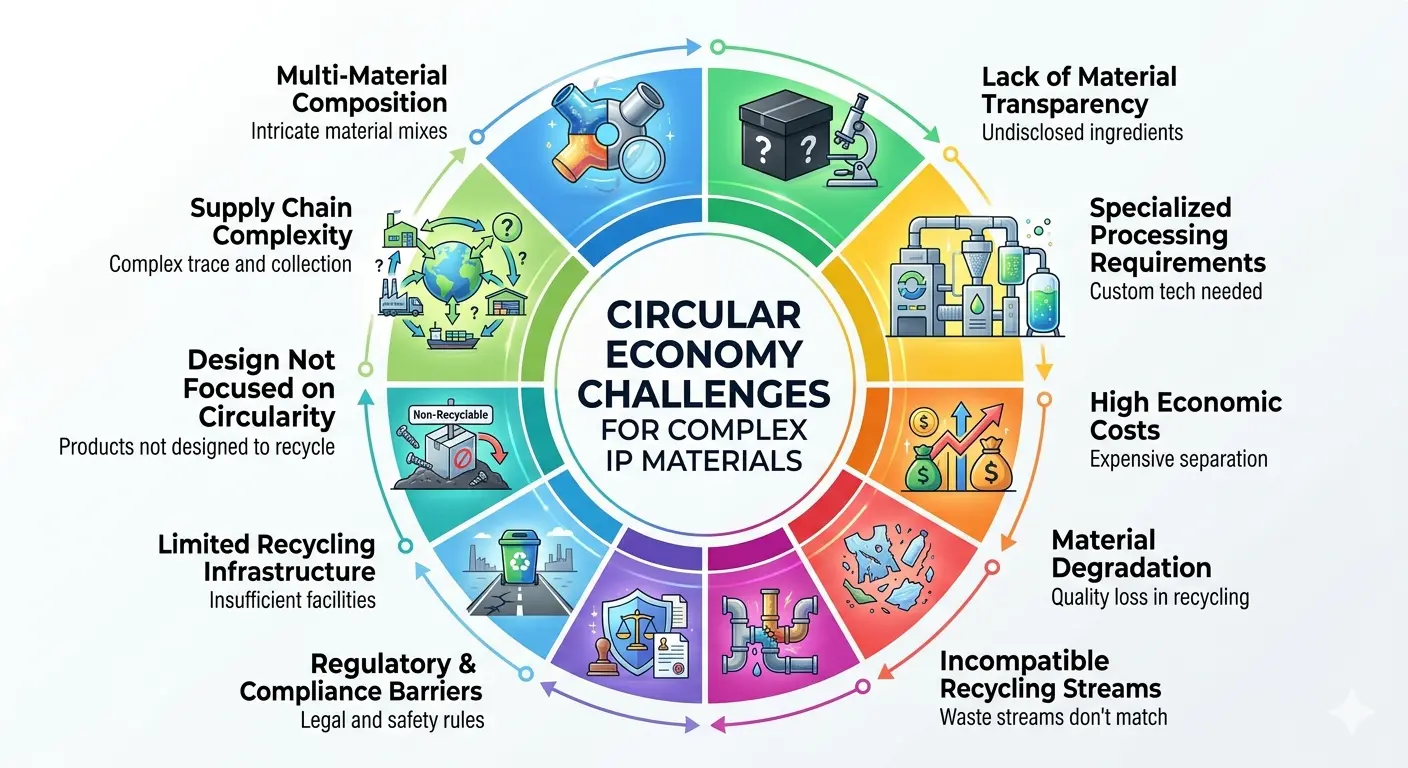
Despite their importance, IP materials present several barriers to circular economy adoption:
1. Complex Material Composition
Many patented materials combine multiple elements, making separation and recycling difficult.
2. Limited Recycling Infrastructure
Not all materials are compatible with existing recycling systems.
3. Regulatory Pressure
Global standards and frameworks are evolving rapidly, requiring companies to continuously adapt.
4. Lack of Transparency
Tracking material lifecycle and usage can be challenging without digital systems.
Strategies to Optimize IP Materials
To align IP materials with circular economy goals, companies must adopt a strategic and innovative approach.
✔ Design for Recycling
Use mono-materials where possible
Avoid hazardous additives
Simplify product structure
✔ Lifecycle Assessment (LCA)
Evaluate the environmental impact of materials from production to disposal.
Identify waste points
Improve efficiency
Reduce carbon footprint
✔ Sustainable Material Innovation
Develop bio-based materials
Use recyclable polymers
Invest in green chemistry
✔ Digital Tracking & Technology
Use AI to predict material performance
Implement blockchain for supply chain transparency
Track reuse and recycling cycles

Regulatory Compliance & Standards
Companies must align with global sustainability frameworks to remain competitive and compliant.
Key Standards & Frameworks
ESG (Environmental, Social, Governance) guidelines
ISO sustainability standards
Government environmental policies
For deeper insights into circular economy practices, refer to the Ellen MacArthur Foundation, a global authority on sustainability.
Benefits for Companies
Optimizing IP materials for circular economy compliance delivers multiple business advantages:
💰 Cost Reduction
Lower raw material costs
Reduced waste management expenses
⭐ Enhanced Brand Reputation
Build trust with eco-conscious customers
Strengthen brand positioning
⚖️ Regulatory Safety
Avoid penalties
Ensure long-term compliance
🚀 Competitive Advantage
Stay ahead of industry trends
Attract sustainability-focused partners and investors
Case Example: Transforming a Patented Polymer
A manufacturing company producing high-performance polymers faced challenges in recycling its materials. By redesigning the polymer to be mono-material and eliminating toxic additives, the company achieved:
40% improvement in recyclability
Reduced production costs
Compliance with international sustainability standards
This demonstrates how innovation and sustainability can go hand in hand.
Future Trends in Circular Materials
The future of IP materials is being shaped by technology and sustainability innovation.
🔮 What to Expect
AI-driven material discovery
Smart recycling systems
Fully circular supply chains
Digital material passports
Implementation Framework for IP Material Optimization
Step 1: Material Audit
Conduct comprehensive material inventory
Identify circularity gaps
Assess regulatory compliance status
Step 2: Strategic Planning
Set circular economy targets
Define innovation roadmap
Allocate resources for R&D
Step 3: Design Integration
Implement design-for-recycling principles
Develop sustainable alternatives
Create material passports
Step 4: Technology Implementation
Deploy digital tracking systems
Implement AI for material optimization
Establish blockchain transparency
Step 5: Compliance Management
Monitor regulatory changes
Maintain documentation
Conduct regular audits
Industry Best Practices
Automotive Sector
Lightweighting strategies using recyclable composites
Design for disassembly principles
Closed-loop recycling programs
Electronics Industry
Modular design for easier repair and upgrade
Conflict-free material sourcing
Take-back programs for end-of-life products
Packaging Innovation
Biodegradable materials development
Reusable packaging systems
Smart packaging with tracking capabilities
Measuring Success: Key Performance Indicators
Environmental Metrics
Material circularity rate
Carbon footprint reduction
Waste diversion percentage
Economic Indicators
Cost savings from recycling
Revenue from reused materials
R&D return on investment
Compliance Metrics
Regulatory adherence rate
Audit success rate
Certification achievements
Frequently Asked Questions
Q: What are IP materials and why are they important for circular economy?
IP materials are patented, proprietary materials developed by companies for specific performance characteristics. They're crucial for innovation but challenging for circular economy due to their complex composition and proprietary nature. Optimizing these materials is essential for sustainable innovation while maintaining competitive advantage.
Q: How can companies balance IP protection with circular economy requirements?
Companies can balance IP protection and circular economy by designing materials with recyclability in mind, implementing material passports for tracking, and developing strategic partnerships for recycling while maintaining core IP through process innovation rather than just material composition.
Q: What are the main regulatory frameworks affecting IP materials?
Key frameworks include ESG reporting requirements, Extended Producer Responsibility (EPR) regulations, REACH compliance in Europe, and various national sustainability standards. These frameworks increasingly require material transparency and circular design principles.
Q: How does digital technology help in optimizing IP materials for circular economy?
Digital technologies like AI help predict material performance and recyclability, blockchain provides supply chain transparency, IoT enables real-time tracking of material usage, and digital twins simulate circular design scenarios before physical implementation.
Q: What are the cost implications of optimizing IP materials for circular economy?
While initial R&D costs may be higher, companies typically see long-term cost savings through reduced raw material usage, lower waste disposal costs, improved efficiency, and enhanced brand value. Many companies report ROI within 2-3 years of implementation.
Q: How can small companies implement IP material optimization strategies?
Small companies can start with material audits, join industry consortiums for shared resources, implement design-for-recycling principles gradually, and leverage government incentives for sustainable innovation. Partnership with research institutions can also help overcome resource limitations.
Conclusion
Optimizing IP materials for circular economy compliance is no longer optional—it's a strategic necessity. As industries evolve, companies must rethink how materials are designed, used, and reused.
Those who invest in sustainable material innovation today will lead the markets of tomorrow. By aligning innovation with environmental responsibility, businesses can create long-term value for both themselves and the planet.
The future belongs to companies that can successfully merge IP innovation with circular economy principles, creating materials that are both high-performance and sustainable.
*Ready to optimize your IP materials for circular economy compliance?**
Explore our Product Development Services for sustainable material innovation, or learn more about our Engineering Solutions for circular design implementation.
Contact MG Techworks to discover how we can help you transform your IP materials for circular economy success while maintaining your competitive advantage.*