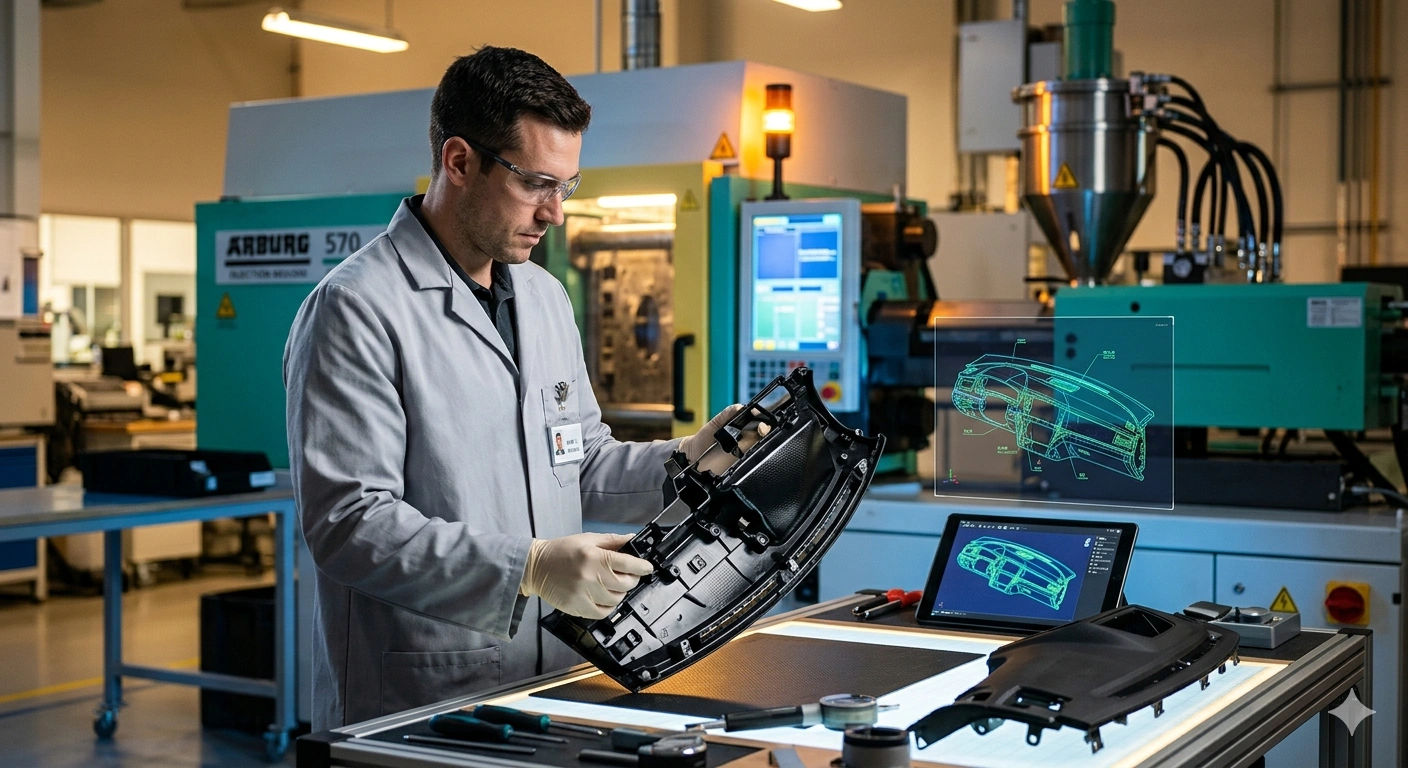
Automotive Plastic Product Design: Complete Guide for Manufacturers
Introduction
Automotive plastic product design plays a critical role in modern vehicle development. From interior components like dashboards and air vents to exterior parts such as bumpers and trims, plastic engineering enables lightweight, cost-effective, and high-performance automotive solutions.
With increasing demand for fuel efficiency, sustainability, and design flexibility, automotive manufacturers are rapidly shifting from metal to engineered plastic components.
In this guide, we will explain the complete process of automotive plastic product design, its benefits, materials, challenges, and best practices for manufacturers and OEMs.
--
What is Automotive Plastic Product Design?
*Automotive plastic product design** is the engineering process of creating vehicle components using plastic materials, focusing on functionality, manufacturability, durability, and cost efficiency.
Key Elements of Automotive Plastic Design:
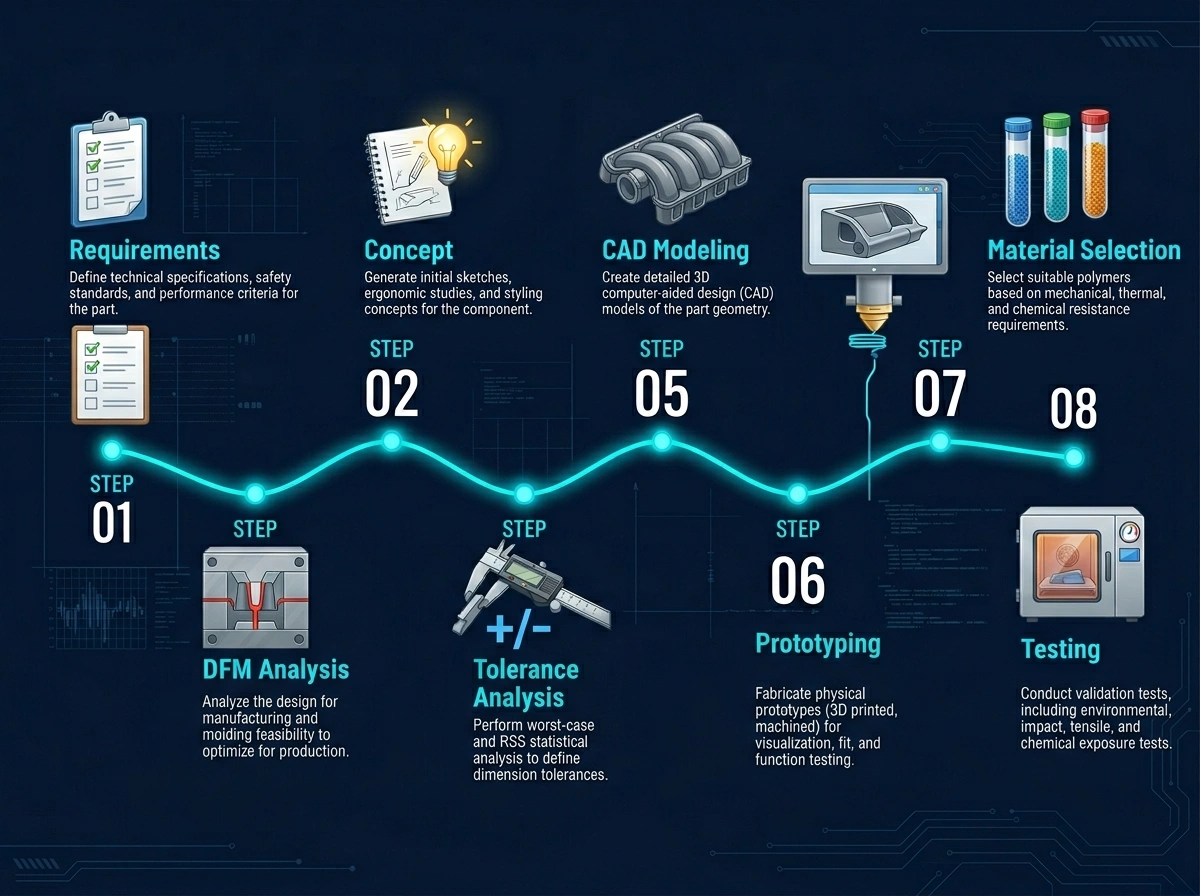
| Element | Description |
|---------|-------------|
| CAD Modeling | 3D digital design using CATIA, NX, or SolidWorks |
| Material Selection | Choosing ABS, PP, PC, PA, or PBT based on requirements |
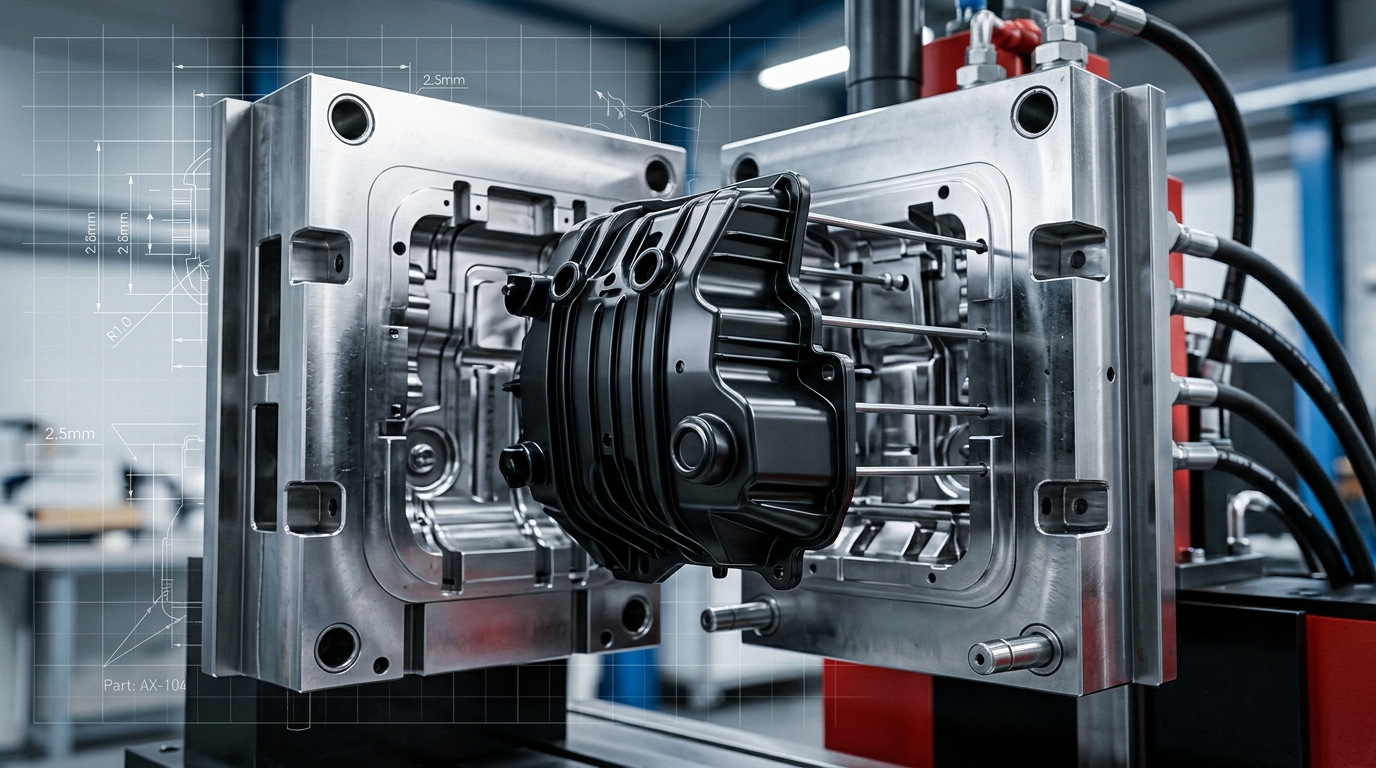
| Design for Manufacturing (DFM) | Ensuring injection molding compatibility |
| Tolerance Analysis | Stack-up analysis for proper assembly fit |
| Prototyping | 3D printing or soft tooling for validation |
| Testing | Thermal, mechanical, and fitment validation |
--
Why Plastics Are Used in Automotive Design
Plastic materials are widely used in automotive engineering due to their significant advantages over traditional materials like metal and glass.
Key Benefits of Automotive Plastics:
*1. Lightweight → Improves Fuel Efficiency**
Plastics are 40-50% lighter than metals
Every 10% weight reduction improves fuel economy by 6-8%
Essential for EV range optimization
*2. Cost-Effective Manufacturing**
Lower raw material costs vs. metals
High-volume injection molding reduces per-part cost
Complex shapes molded in single operations
*3. Corrosion Resistance**
No rust or degradation from road salts
Longer component lifespan
Reduced warranty claims
*4. High Design Flexibility**
Complex geometries impossible with metal stamping
Smooth curves and ergonomic surfaces
Part consolidation (multiple metal parts → one plastic part)
*5. Easier Mass Production**
Cycle times as low as 15-60 seconds per part
Consistent quality across millions of parts
Automated production lines
--
Common Automotive Plastic Components
Automotive plastic product design is used across every vehicle system:
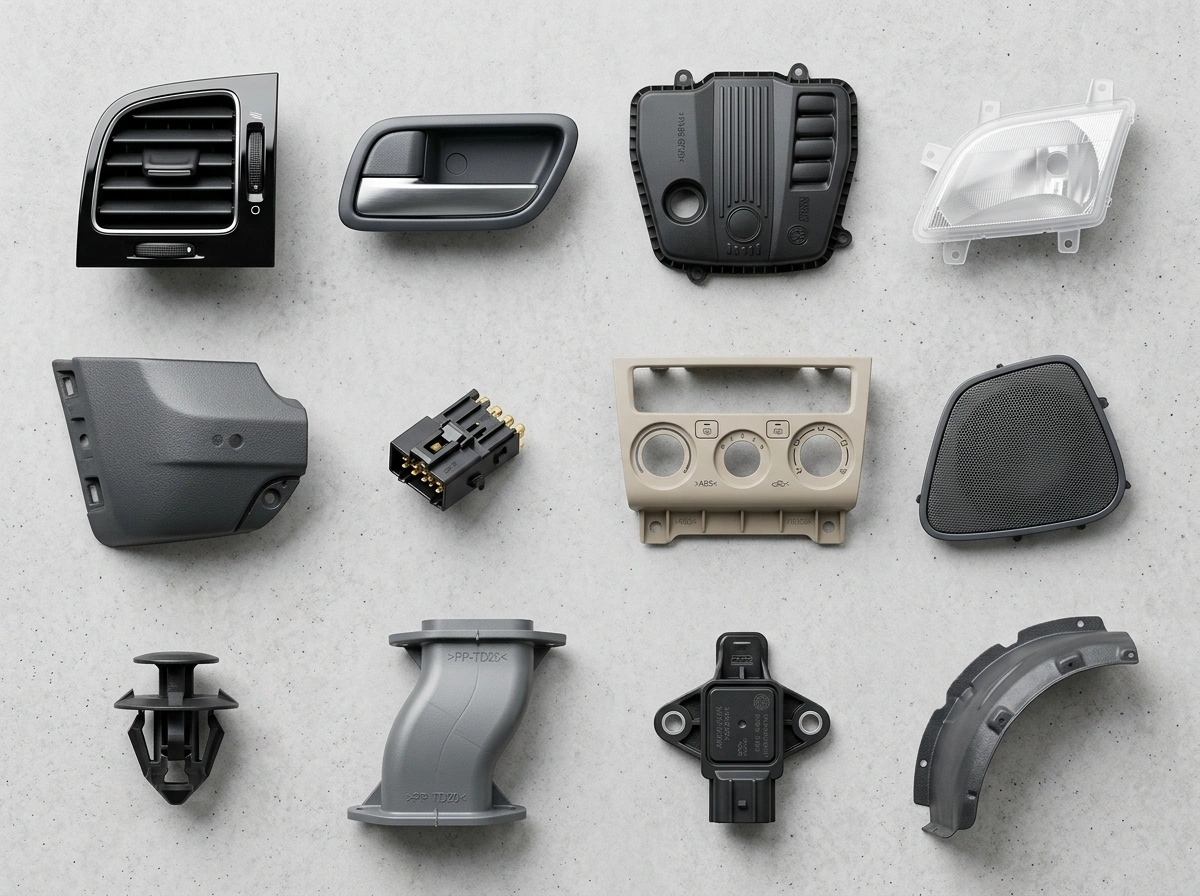
🚗 Interior Components
Air vents and ducting
Dashboard panels and instrument clusters
Center consoles and armrests
Door trims and handles
Steering wheel components
Seat trim and bezels
🚘 Exterior Components
Front and rear bumpers
Grilles and radiator shrouds
Mirror housings
Spoilers and body trim
Wheel arch liners
Lighting housings
⚙️ Functional & Under-Hood Components
Clips, fasteners, and connectors
HVAC housings and ducts
Electrical connectors and fuse boxes
Battery casings (EVs)
Fluid reservoirs
Fan shrouds
--
Materials Used in Automotive Plastic Design
Choosing the right material is critical for performance, cost, and manufacturability.
Common Automotive Plastics Comparison
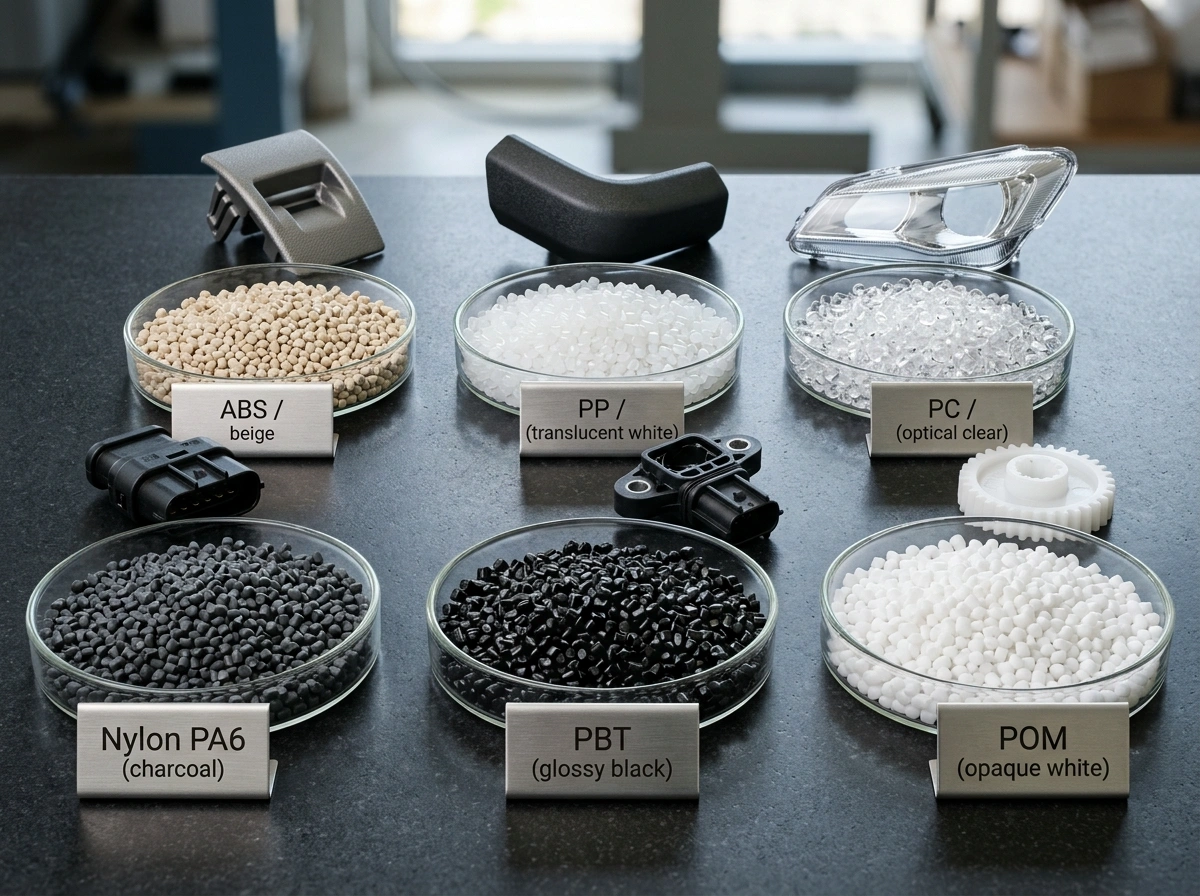
| Material | Key Properties | Typical Applications |
|----------|----------------|----------------------|
| ABS | High impact strength, good surface finish | Interior trim, dashboard, grilles |
| PP (Polypropylene) | Low cost, chemical resistance, flexible | Bumpers, interior trim, fluid tanks |
| PC (Polycarbonate) | High impact, transparent, heat resistant | Headlight lenses, glazing, electrical |
| PA (Nylon) | High strength, wear resistance | Under-hood components, gears, clips |
| PBT | Electrical properties, dimensional stability | Connectors, sensors, ignition housings |
| PMMA (Acrylic) | Optical clarity, weatherable | Tail light lenses, instrument covers |
| POM (Acetal) | Low friction, high stiffness | Gears, clips, door lock components |
Material Selection Criteria
When selecting materials for automotive plastic product design, consider:
Mechanical Strength - Load-bearing requirements
Heat Resistance - Operating temperature range (-40°C to +120°C)
Chemical Resistance - Exposure to oils, fuels, cleaning agents
UV/Weathering Stability - Exterior vs. interior application
Cost - Raw material and processing costs
Regulatory Compliance - Flammability (FMVSS 302), REACH, RoHS
--
Automotive Plastic Product Design Process
A structured design process ensures quality, manufacturability, and cost efficiency.
Step 1: Requirement Analysis
*What to analyze:**
Component function (structural, aesthetic, thermal)
Load conditions (static, dynamic, impact)
Environmental factors (temperature, UV, chemicals)
Assembly constraints (mating parts, fasteners)
Production volume (low vs. high volume)
Step 2: Concept Design
Initial sketches and 2D layouts
Concept validation against requirements
Feasibility assessment
Multiple concept generation and down-selection
Step 3: CAD Modeling
*Recommended software for automotive plastic design:**
CATIA - Industry standard for automotive (most OEMs)
Siemens NX - Advanced surfacing and mold design
SolidWorks - Widely used for suppliers and smaller components
*CAD Modeling best practices:**
Use parametric modeling for easy modifications
Create master model with skeleton sketches
Design with manufacturing constraints in mind
Step 4: Material Selection
Match material properties to requirements
Consider CTE (Coefficient of Thermal Expansion)
Review OEM-approved material lists
Validate via material datasheets
Step 5: Design for Manufacturing (DFM)
*Critical DFM considerations for injection molding:**
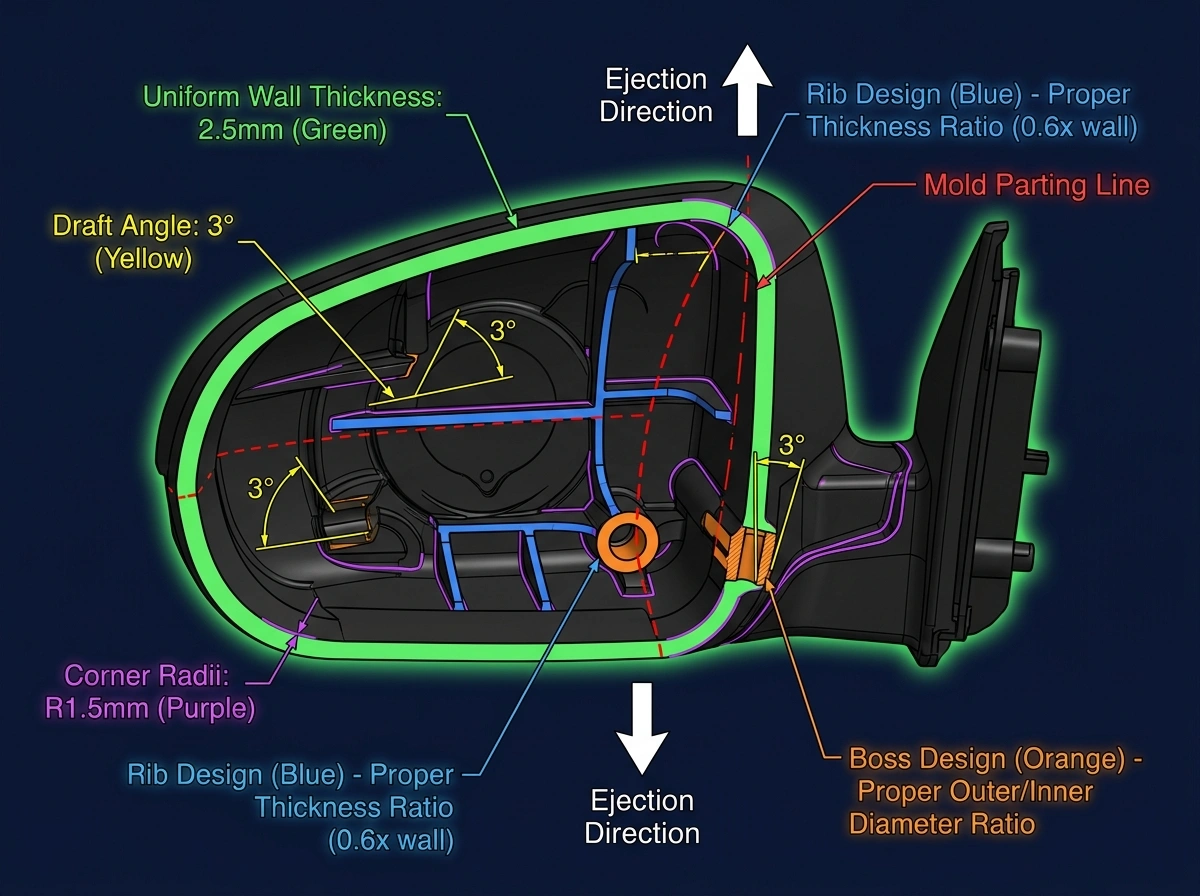
| DFM Rule | Guideline |
|----------|-----------|
| Wall Thickness | Uniform, 1.5mm to 4.0mm typical |
| Draft Angles | 1° to 3° per side minimum |
| Rib Design | 0.5-0.7x wall thickness at base |
| Corner Radii | 0.5x wall thickness minimum |
| Gussets | Use for rib stability |
| Boss Design | 0.6x wall thickness for outer diameter |
Step 6: Tolerance Stack-Up Analysis
*Why tolerance analysis is critical:**
Ensures proper assembly fit between plastic parts
Prevents interference or excessive gaps
Accounts for material shrinkage (typically 0.4% to 2.0%)
Reduces scrap and rework
Learn more: **Tolerance Stack-Up Analysis Services →**
Step 7: Prototyping
*Prototyping methods for automotive plastics:**
| Method | Best For | Lead Time |
|--------|----------|-----------|
| 3D Printing (FDM/SLA) | Form/fit testing, concept validation | 1-3 days |
| CNC Machining | Functional testing of larger parts | 1-2 weeks |
| Soft Tooling (Aluminum) | Pilot production, 100-500 parts | 3-5 weeks |
| Rapid Injection Molding | Production-representative samples | 2-4 weeks |
Step 8: Testing & Validation
*Required tests for automotive plastic components:**
Thermal cycling - Temperature extremes (-40°C to +85°C)
Impact resistance - Izod or Charpy testing
Flammability - FMVSS 302 (horizontal burn)
UV stability - Xenon arc weathering
Chemical resistance - Fluid exposure testing
Dimensional inspection - CMM or optical scanning
Assembly fitment - Trial builds with mating parts
--
Common Design Challenges in Automotive Plastic Engineering
1. Warpage Issues
*Cause:** Non-uniform cooling or unbalanced flow in mold
*Solution:**
Uniform wall thickness
Balanced runner systems
Proper gate placement
Simulation using Moldflow analysis
2. Sink Marks
*Cause:** Thick sections where material shrinks unevenly
*Solution:**
Design wall thickness ≤ 60% of adjacent wall
Use coring to remove material
Add ribs instead of thick sections
3. Poor Material Selection
*Cause:** Misalignment between material properties and application
*Solution:**
Early material specification
Review PPS (Part Performance Specification)
Conduct material validation testing
4. Assembly Misalignment
*Cause:** Tolerance stack-up across multiple components
*Solution:**
Perform 3D tolerance analysis
Use locating features (pins, ribs, tabs)
Design for compliance where needed
5. Tooling Complexity
*Cause:** Undercuts, complex slides, or intricate geometry
*Solution:**
Design for straight-pull molds where possible
Evaluate cost vs. complexity trade-offs
Consider side-actions only when necessary
--
Best Practices for Automotive Plastic Product Design
Follow these proven guidelines to reduce cost, improve quality, and accelerate development:
✅ Design Guidelines
*1. Use Uniform Wall Thickness**
Typical range: 1.5mm to 3.0mm
Variation ≤ 25% across part
Prevents sink marks and warpage
*2. Avoid Sharp Corners**
Minimum radius: 0.5mm
Recommended: 1.0mm to 2.0mm
Reduces stress concentration
*3. Optimize Rib Design**
Rib thickness: 0.5x to 0.7x wall thickness
Rib height: ≤ 3x wall thickness
Draft ribs 1° to 2° per side
*4. Plan for Draft Angles**
Minimum: 1° per side
Textured surfaces: 3° to 5° per side
Prevents part ejection issues
*5. Perform Early DFM Analysis**
Review with mold builder before finalizing CAD
Run injection molding simulation (Moldflow)
Identify potential issues before tooling
*6. Include Locating Features**
Bosses and ribs for alignment
Tapered pins and slots
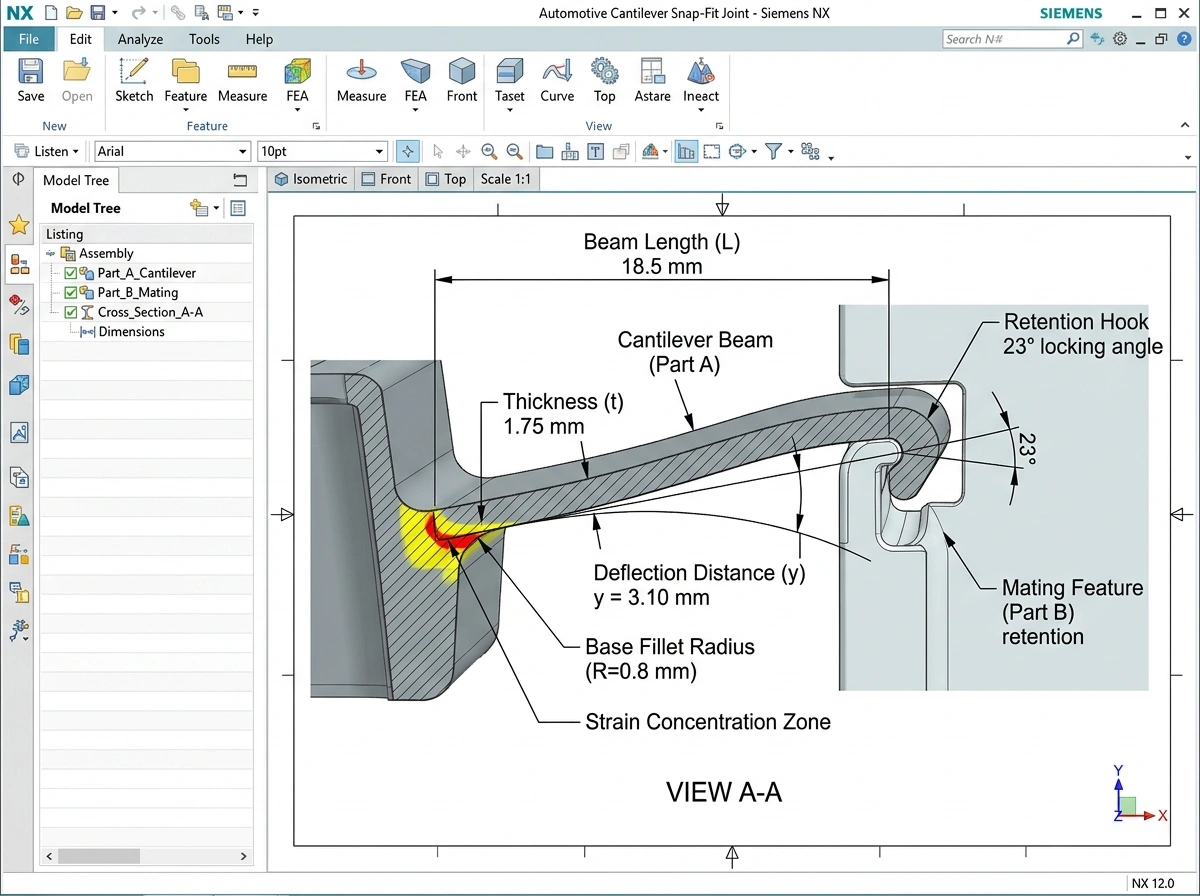
Snap-fits for assembly (where appropriate)
✅ Development Process Best Practices
Cross-functional reviews - Design, manufacturing, quality, and suppliers
GD&T application - Proper datum strategy and tolerance allocation
DFMEA - Identify failure modes early
Design reviews - Phase-gate milestones
Lessons learned - Document and apply to future programs
--
How Automotive Plastic Design Impacts Manufacturing
A well-designed plastic component delivers measurable business results:
| Metric | Impact of Good Design |
|--------|----------------------|
| Production Cost | ↓ 15-25% through material and cycle time optimization |
| Assembly Efficiency | ↑ 30-50% with self-locating features |
| Defect Rate | ↓ 50-70% with robust DFM |
| Development Cycle | ↓ 20-40% with early simulation |
| Tooling Cost | ↓ 10-20% with simplified geometry |
--
Future Trends in Automotive Plastic Engineering
1. Lightweight Composites
Carbon fiber-reinforced polymers (CFRP)
Glass fiber-reinforced (GFRP)
Natural fiber composites (flax, hemp)
Impact: 30-50% weight reduction vs. standard plastics
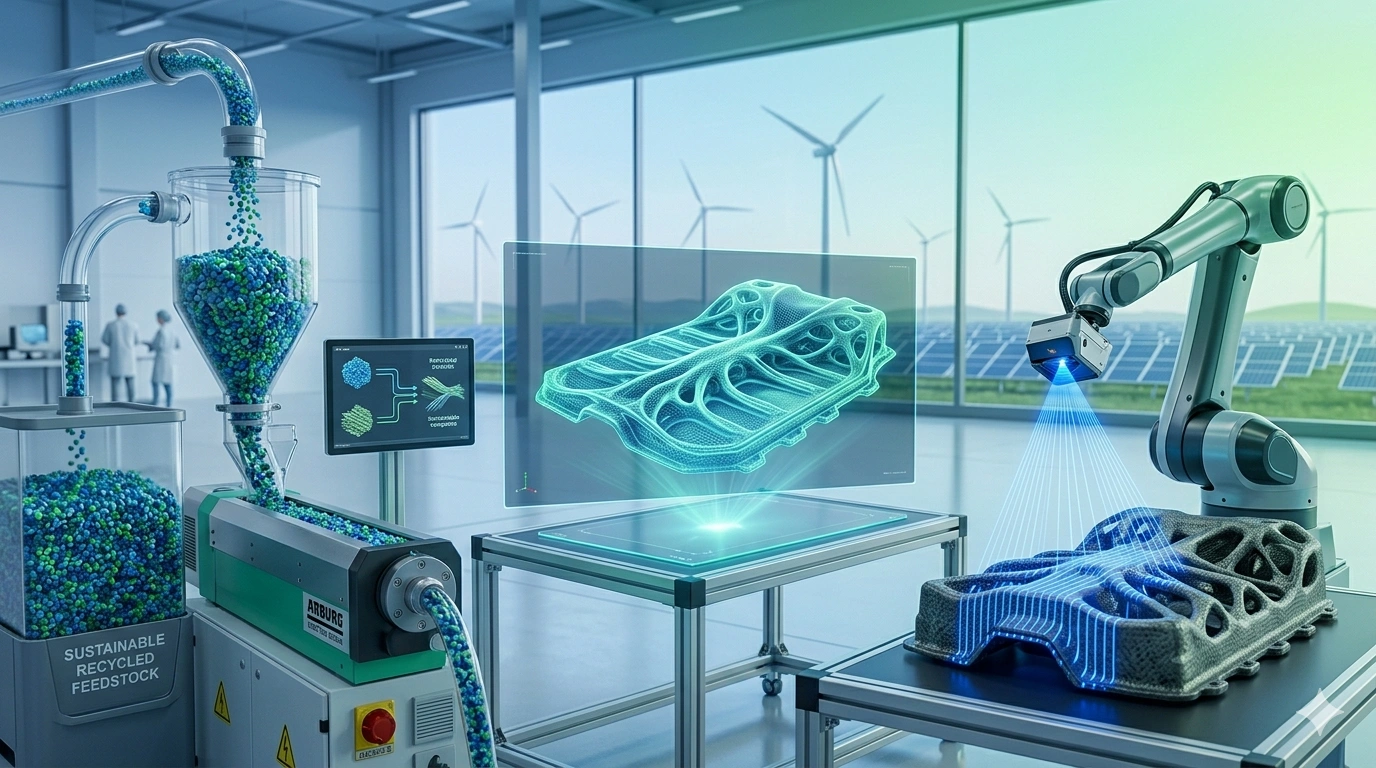
2. Sustainable & Bio-Based Materials
Recycled plastics (PCR)
Bio-based polymers (PLA, PHA)
Chemical recycling technologies
Driver: OEM sustainability targets and regulations
3. AI-Driven Design Optimization
Generative design for lightweighting
Machine learning for material selection
AI-powered mold flow analysis
Benefit: 50% faster development cycles
4. Smart Manufacturing Integration
IIoT-enabled injection molding machines
In-process quality monitoring
Digital twins for mold design
Result: Zero-defect manufacturing
5. Electric Vehicle-Specific Plastics
Battery housing materials (flame retardant, thermal management)
Structural battery trays (composite hybrids)
Thermal interface materials
Growth: 20% CAGR for EV plastic components
--
Conclusion
*Automotive plastic product design** is a critical engineering discipline that combines material science, mechanical design, and manufacturing expertise. Success requires:
Proper material selection aligned with application requirements
DFM-first design approach considering injection molding constraints
Tolerance stack-up analysis for assembly fit
Early simulation to prevent warpage and sink marks
Cross-functional collaboration between design, tooling, and production
For automotive manufacturers and OEMs, investing in robust plastic design processes delivers significant returns through reduced costs, improved quality, and faster time-to-market.
--
FAQ (Frequently Asked Questions)
What is automotive plastic product design?
*Automotive plastic product design** is the engineering process of developing vehicle components using plastic materials, focusing on performance, manufacturability, and cost efficiency. It involves CAD modeling, material selection, DFM analysis, tolerance stack-up, prototyping, and validation testing.
Why is plastic used in cars?
Plastic is used in cars because it is lightweight (improves fuel efficiency), cost-effective (reduces manufacturing costs), corrosion-resistant (no rust), and allows complex shapes that are impossible with metal stamping.
What are common materials used in automotive plastic parts?
Common automotive plastic materials include:
ABS - Interior trim, dashboards
Polypropylene (PP) - Bumpers, interior trim
Polycarbonate (PC) - Headlight lenses, glazing
Nylon (PA) - Under-hood components, clips
PBT - Electrical connectors and sensors
What is DFM in plastic design?
*DFM (Design for Manufacturing)** is a methodology that ensures a plastic product can be efficiently and cost-effectively manufactured using injection molding. It includes guidelines for wall thickness, draft angles, rib design, gate placement, and tooling feasibility.
What is tolerance stack-up analysis in plastic parts?
*Tolerance stack-up analysis** is the calculation of cumulative dimensional variations across multiple components in an assembly. It ensures that plastic parts fit together properly, prevents interference or excessive gaps, and accounts for material shrinkage and manufacturing variations.
How long does automotive plastic part development take?
Typical timeline: 12-24 weeks from concept to production-ready part
Concept & CAD: 2-4 weeks
DFM & tooling design: 3-6 weeks
Mold fabrication: 6-10 weeks
Sampling & validation: 2-4 weeks
What software is used for automotive plastic design?
Industry standard software includes:
CATIA (most automotive OEMs)
Siemens NX (advanced surfacing)
SolidWorks (suppliers and smaller parts)
Moldflow (injection molding simulation)
How do you prevent warpage in plastic parts?
Prevent warpage by:
Using uniform wall thickness (±25% variation)
Adding ribs for stiffness instead of thick walls
Balanced gate placement
Proper cooling channel design
Running Moldflow simulation before tooling
--
Related Services from MG Techworks
Looking to optimize your automotive plastic components?
**Automotive Design Services** - Complete vehicle and component design
**Tolerance Stack-Up Analysis** - 3D variation analysis using CETOL 6σ and 3DCS
**Design for Manufacturing (DFM)** - Injection molding optimization
**Product Design & Development** - From concept to production